In the market The Soho Effect: Why Creative Neighbourhoods Boost Business Innovation
Rubix, Lifestyle focussed offices in London 310
310
310
310
 1200
627
310
310
1200
627
310
310
The spaces we occupy shape the work we produce. In London’s most creative districts, innovation is not just encouraged, it’s inevitable.
There is a reason why the most forward-thinking businesses in London gravitate toward neighbourhoods like Soho, Shoreditch, and King’s Cross. It is not simply about postcode prestige or proximity to the Tube. It is about something more fundamental: creative energy is contagious, and the right neighbourhood acts as an accelerant.
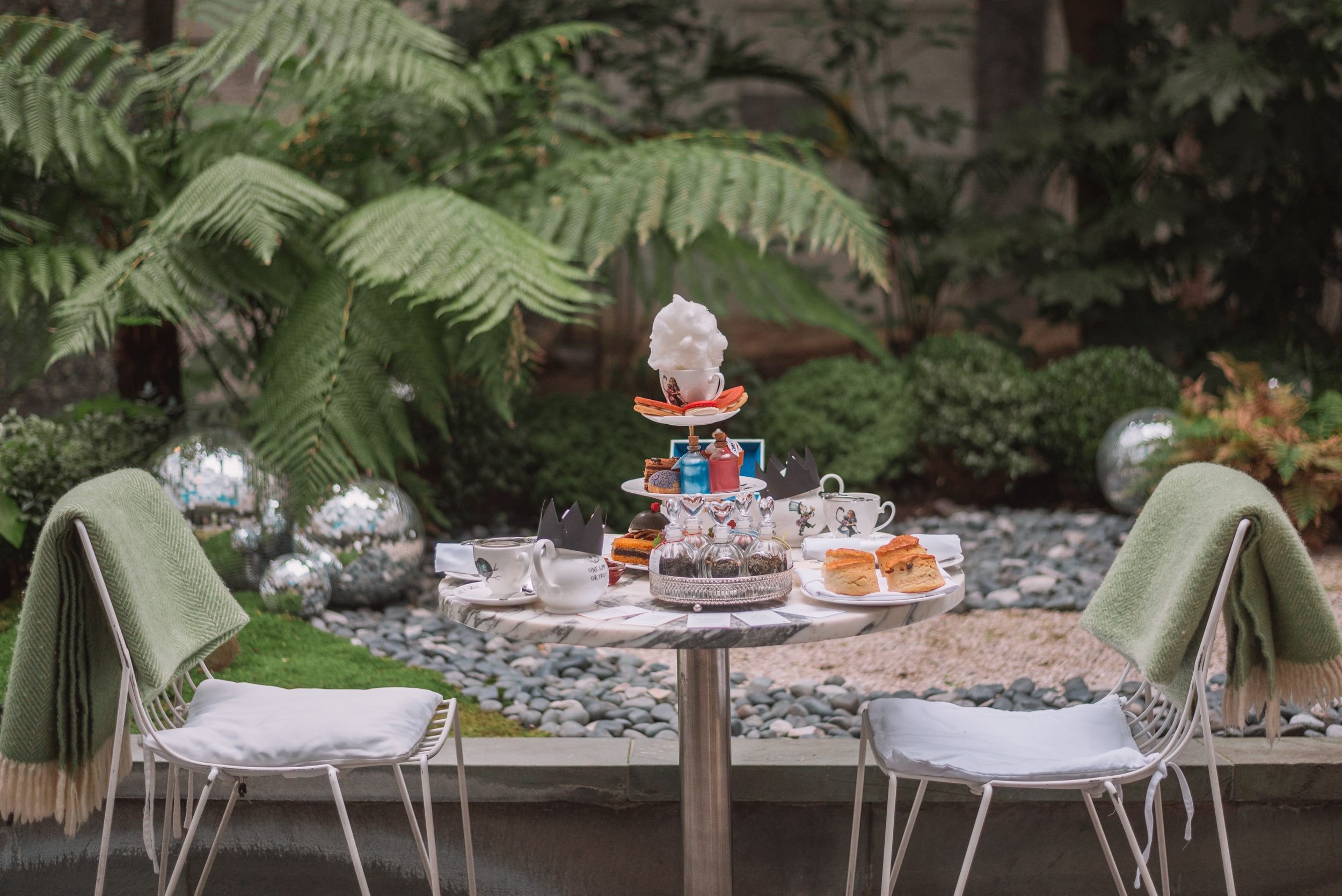
Walk through Soho at 11am on a Tuesday and you will find advertising directors debating campaign concepts outside Bar Italia, tech founders sketching new product ideas in the window seats at Barrafina and production companies discussing pitches over lunch at Café Bohème. This is not accidental. The density of creative businesses creates a microclimate of ideas, where conversations spill out of offices and into the streets, cafés, pubs, and wine bars that define the area.
Urban planners and behavioural scientists have long understood what creative professionals instinctively know: innovation thrives on unexpected collisions. Opportunities fuelled by proximity and chance encounters. When you place your team in a neighbourhood dense with galleries, independent cinemas, experimental restaurants, gay clubs and design studios, you are choosing their ecosystem.
Soho offers the perfect case study. The same square mile that houses Vogue’s London offices, independent creative agencies and legendary venues like Ronnie Scott’s Jazz Club. It’s an environment where inspiration is constant; from street art on the morning commute to overheard conversations that spark fresh thinking.
This kind of learning cannot be replicated in a corporate high-rise, no matter how impressive the amenities.
Creative neighbourhoods also solve one of the most persistent challenges facing London businesses: talent attraction and retention. The best designers, strategists, and developers are not motivated solely by salary. They are drawn to environments that stimulate, challenge, and connect them to their industry.
When you tell a potential hire that your office is in Soho or Fitzrovia, you are signalling cultural alignment. You are saying that you value creativity, that you understand the importance of environment, and that you are serious about being part of London’s creative economy rather than simply operating within it.
The financial case for creative neighbourhoods is straightforward. While rents in Soho or Shoreditch command a premium, the return manifests in recruitment costs, employee retention, client perception, and the intangible but very real advantage of being embedded in the industry’s cultural centre.
Consider the alternative: a cheaper office in a characterless neighbourhood might save £10 per square foot, but what is the cost when your best designer leaves for a competitor in W1, citing “cultural fit” as the reason? What is the cost when a prospective client visits your office and sees nothing that suggests creativity, ambition, or cultural awareness?
Creative neighbourhoods provide the same essential function as fast internet or collaborative software; they enable your team to do their best work. The difference is that this infrastructure is built from architecture, culture, and community rather than cables and code.
Not every creative neighbourhood offers the same advantages. Soho provides unmatched density and prestige but comes with higher costs and logistical constraints. King’s Cross offers newer builds, better transport links, and a slightly lower price point while maintaining creative credibility. Shoreditch skews younger and more experimental, attracting startups and digital-first businesses.
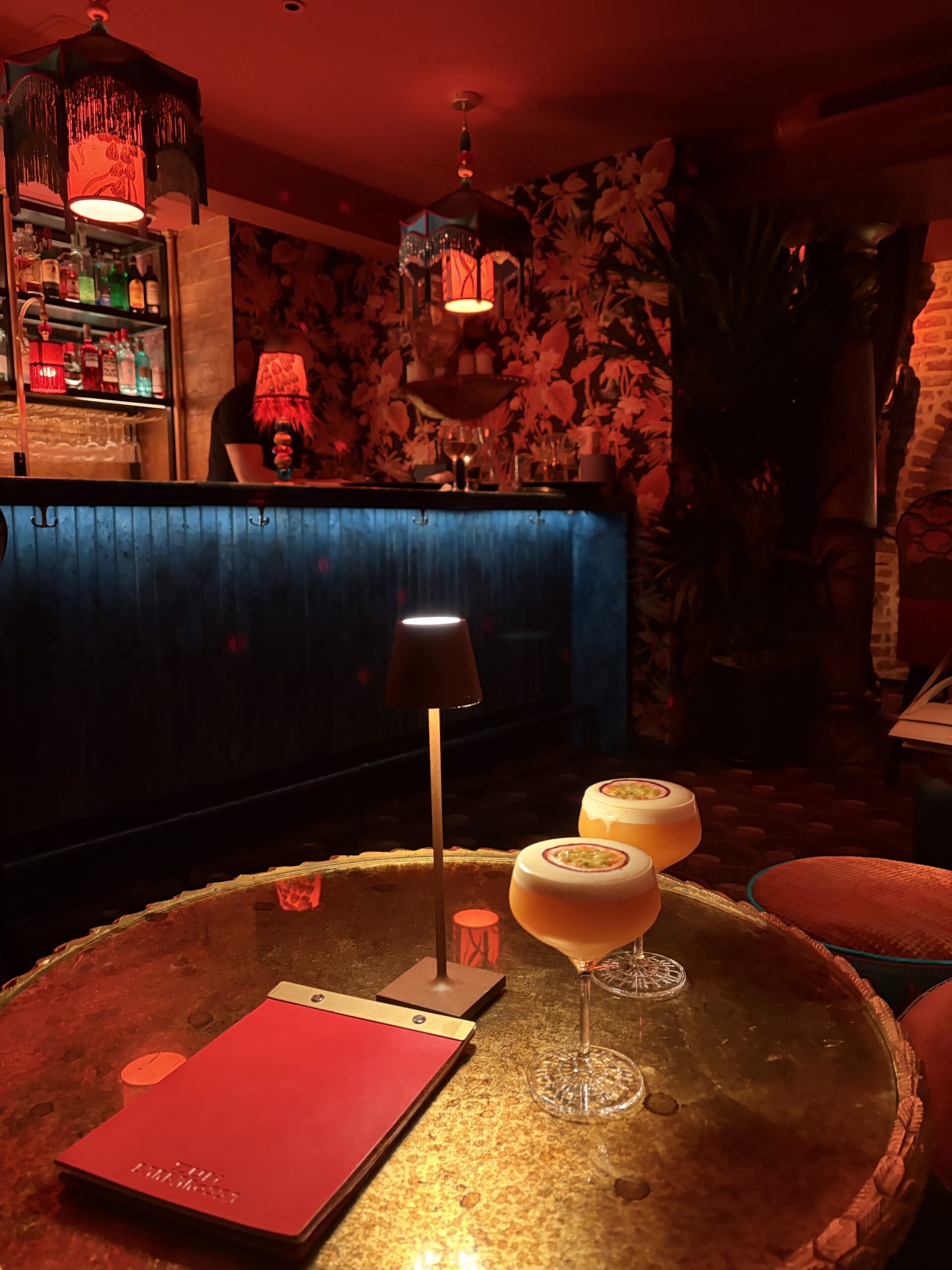
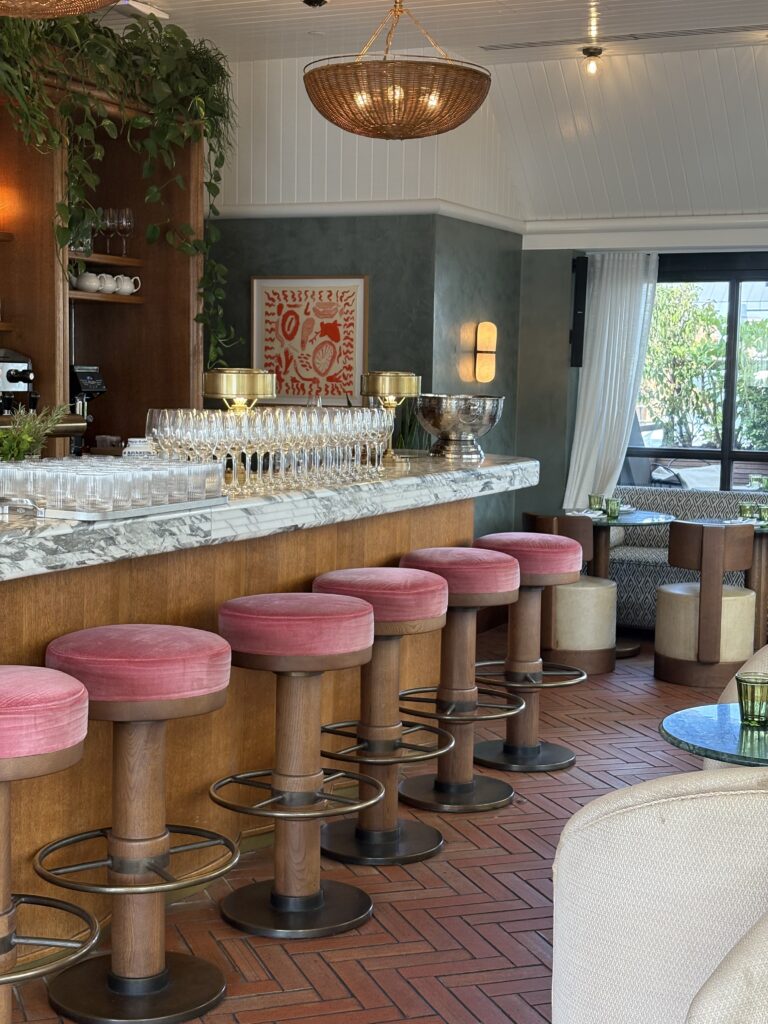
The key is matching your business to the right creative ecosystem. At Rubix, we do not simply show you available space we help you understand the cultural fabric of each neighbourhood. From a long lunch at Café Bohème, to after-work drinks on the terrace at Yasmin’s watching the golden hour hit Warwick Street, to closing out the evening over handmade pasta at Bancone where the open kitchen turns dinner into a show these are the places that become your team’s unofficial meeting rooms.
The Soho Effect is real, measurable, and replicable across London’s creative districts. When you choose the right neighbourhood, you are not just selecting an office. You are choosing who your business will become.
Contact Rubix to start your property journey
Contact usSign up for our newsletter and get the latest property industry news and views direct to your inbox.
