In the market The Future of the London Office: What 2025 Tenants Really Want
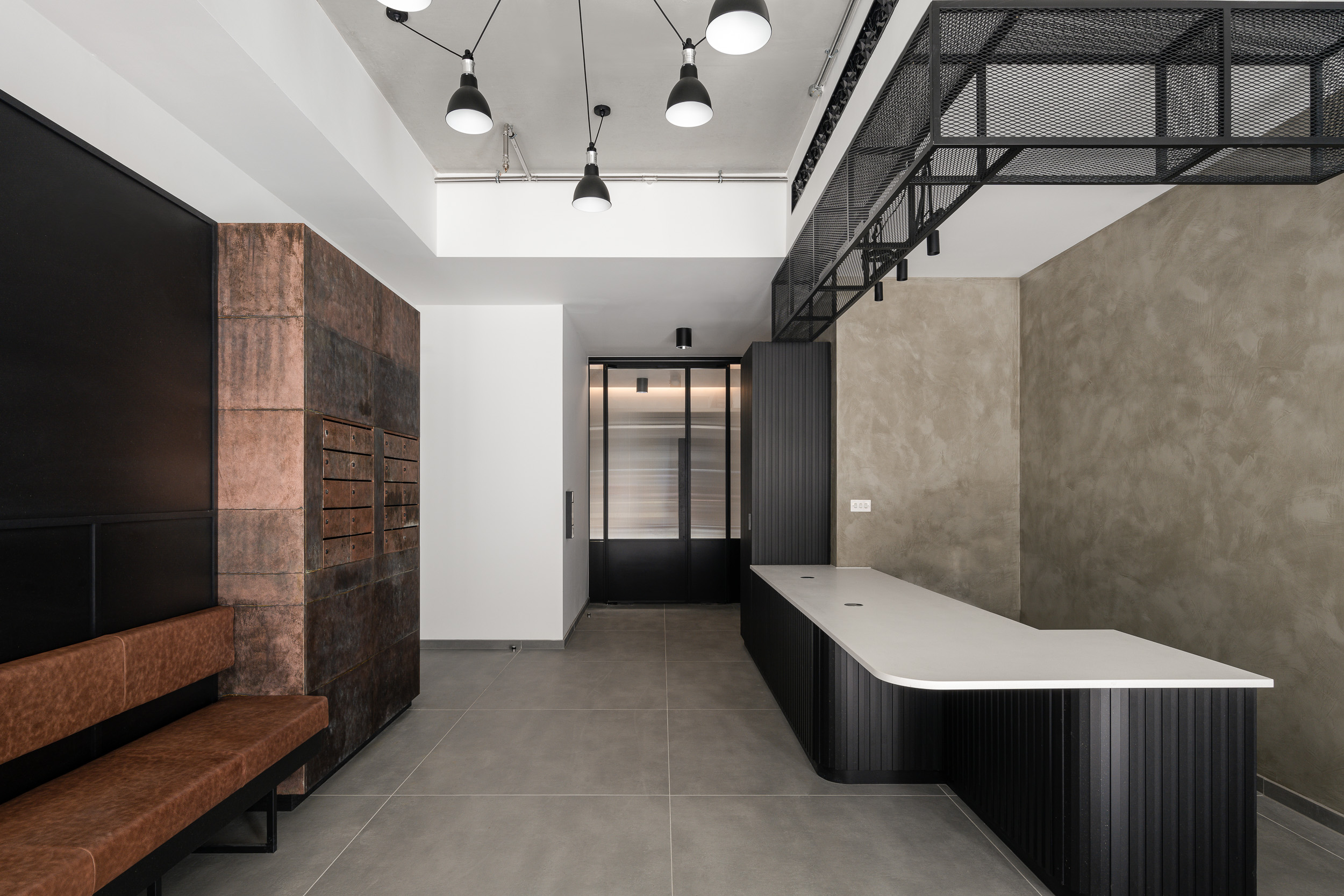
Rubix, Lifestyle focussed offices in London 310
310
310
310
 1200
627
310
310
1200
627
310
310
London’s office landscape is shifting once again. After years of hybrid adaptation and rapid change, tenants in 2025 are clearer than ever about what they value. They are not just searching for square footage or a postcode; they are seeking spaces that match how they live, work and connect. The future of the London office is not about size or prestige. It is about purpose, design and experience.
“Flexible workspace” has become a familiar phrase, but for 2025 tenants, it now means something deeper. Flexibility is no longer just about short leases or modular layouts; it is about a workspace that moves with the business. Start-ups want the freedom to scale quickly, while established teams are choosing spaces that can adapt to project cycles, hybrid schedules and changing team needs.
This shift is driving demand for design-led offices that allow companies to focus on what matters most: their people and their work. The modern tenant expects a space that evolves with them, not against them.
The experience economy that reshaped retail and hospitality has arrived in the workplace. Today’s professionals expect their office to offer more than function. They want an environment that inspires them to show up. That might mean beautifully designed communal areas, curated art, natural light, thoughtful scents or on-site hospitality.
Food and social culture are now central to the workspace experience. Tenants increasingly look for proximity to independent cafés, restaurants and fitness spaces, reflecting how work and lifestyle now blend throughout the day. The best offices are not isolated towers but active extensions of their surrounding neighbourhoods.
In 2025, office design has moved beyond aesthetics. It has become a strategic tool for productivity, brand and wellbeing. Businesses are realising that layout, materials and atmosphere directly impact performance. A well-designed space can boost collaboration, reduce stress and reflect a company’s culture more powerfully than any corporate statement.
Design that supports natural movement, quiet focus areas and moments of rest creates flow within the workday. Texture, warmth and natural light remain priorities, as do sustainable finishes that speak to conscious values. For tenants, a workspace that feels considered signals a business that values quality and care.
The most sought-after offices in London today are those that feel rooted in their surroundings. Professionals are choosing locations not only for convenience but for cultural identity.
Neighbourhood partnerships are becoming a defining feature of premium workspaces. From local coffee collaborations to shared events, community engagement now plays a tangible role in attracting and retaining tenants. The modern workspace extends into the street, the café next door, and the after-work scene that builds connection beyond the office walls.
Looking ahead, the London office of 2025 and beyond will be defined by three things: adaptability, authenticity and experience. Spaces that prioritise human connection, sensory design and cultural alignment will outperform those that treat work as a transaction. Tenants will continue to invest in environments that energise their teams, reflect their brand values and make daily life feel effortless.
At Rubix, we believe the best workspaces are built for how people actually live and work today. They combine design, locality and experience in a way that turns an office into a lifestyle. As London continues to evolve, the most successful buildings will not just house great companies. They will help create them.
Contact Rubix to start your property journey
Contact usSign up for our newsletter and get the latest property industry news and views direct to your inbox.
